Best Scalp Treatment for Itchy Scalp at Top Salon Near You
Best Scalp Treatment for Itchy Scalp at Top Salon Near You
Common Causes of Itchy Scalp
An itchy scalp can come from several factors. Understanding the root cause helps you choose the right treatment.
Dryness is one of the most common triggers. Lack of natural oils leads to tightness and flakes. Harsh shampoos or over-washing can strip the scalp’s moisture barrier, causing irritation.
Dandruff is another frequent cause. It develops when yeast on the scalp grows too quickly. This leads to flakes, itching, and sometimes redness. Stress and weather changes may make symptoms stronger.
Product buildup also affects many people. Hair sprays, gels, serums, and oils can accumulate over time. When residue collects around hair follicles, it blocks the scalp from breathing and may cause itching or inflammation.
Sensitivity and allergies can also play a role. Fragrance, preservatives, and strong detergents found in hair products may trigger irritation.
Certain skin conditions like psoriasis or eczema can also influence scalp health. These conditions often require medical guidance, but supportive salon treatments can reduce discomfort.
Poor scalp circulation may cause itchiness as well. When blood flow is limited, the scalp receives fewer nutrients. Salon treatments that include massage help restore circulation.
Knowing the cause matters. Once you understand what leads to your discomfort, you are in a better position to select a professional treatment that brings relief while supporting long-term scalp health.
If symptoms persist, consider consulting a dermatologist to rule out medical conditions.
Why Professional Salon Scalp Treatments Help
Salon scalp treatments offer targeted solutions designed to soothe and restore scalp balance. At-home products can help, but professional treatments go deeper.
Salons use high-quality products formulated with active ingredients. These products are chosen based on your scalp condition. This ensures treatment is personalized rather than one-size-fits-all.
Scalp analysis is a key benefit of salon care. Stylists can examine the scalp to identify dryness, buildup, or irritation. This guidance helps ensure correct treatment from the start.
Professional treatments often include gentle exfoliation. This removes buildup and dead skin cells. A clean scalp allows hair follicles to breathe and absorb nutrients more effectively.
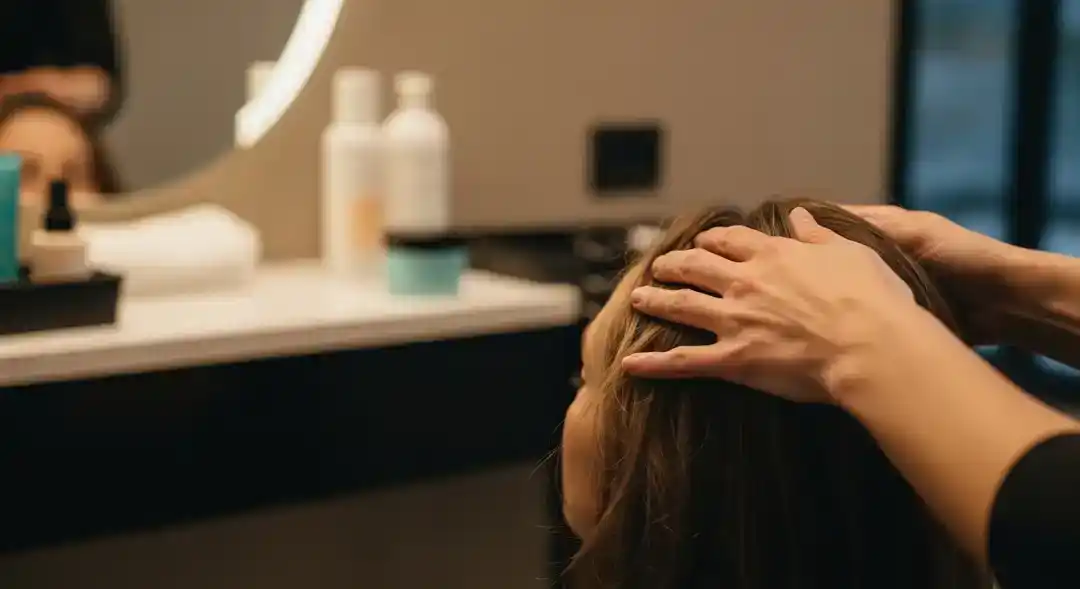
Massage is part of many salon scalp treatments. This improves blood flow and encourages relaxation. Improved circulation supports healthier hair growth and reduces tension.
Hydration treatments restore the scalp’s moisture balance. Ingredients like aloe, hyaluronic acid, and natural oils help replenish dryness. When the scalp is well moisturized, itching often decreases.
Clarifying treatments remove product residue and environmental impurities. This leaves the scalp clean and refreshed.
Salons can also offer soothing treatments that target redness or sensitivity. These are especially helpful if your scalp reacts to fragrances or chemical products.
Professional scalp care supports both scalp comfort and long-term hair health. When the scalp is nourished, hair tends to grow stronger, softer, and fuller. Regular treatments every few weeks can help maintain progress and prevent issues from returning.
Types of Salon Scalp Treatments
Salons provide several treatment methods to address different scalp needs. The right choice depends on what is causing your itchiness. Some treatments focus on cleansing, while others emphasize moisture or soothing benefits.
Exfoliating treatments remove buildup and dead skin cells. They are useful for people who use many styling products or who experience flaky skin. These treatments leave the scalp clean and refreshed.
Hydrating treatments restore moisture. These are ideal for dry or tight scalps. They include ingredients that replenish natural oils and support barrier repair.
Anti-dandruff and clarifying treatments help reduce flakes and remove excess oil. They often include ingredients that calm irritation.
Many salons combine several techniques for best results. Your stylist can help match the treatment to your specific scalp condition.
Exfoliating Scalp Treatments
Exfoliating treatments use gentle scrubs, chemical exfoliants, or scalp brushes to remove buildup. They help open hair follicles and improve absorption of nutrients. This type of treatment suits people who use heavy hair products or experience dullness and flakes. Regular exfoliation can help keep the scalp clean and comfortable while supporting healthier hair growth.
Hydrating Scalp Treatments
Hydrating scalp treatments use oils, serums, or masks to restore moisture. These treatments work well for dry, tight, or irritated scalps. Ingredients such as aloe vera, coconut oil, and shea butter provide relief. They help the scalp retain hydration and improve elasticity. A hydrated scalp feels more comfortable and supports healthier hair.
Anti-Dandruff and Clarifying Treatments
These treatments target excess oil and flakes. They often include soothing and cleansing ingredients that help rebalance the scalp environment. Clarifying treatments remove residue from styling products. Anti-dandruff formulas help calm irritation. Together, they support a cleaner, more comfortable scalp.
How to Choose the Right Salon Near You
When choosing a salon, look for stylists who offer scalp evaluations. This ensures the treatment matches your scalp condition. Check reviews for comments about scalp services, not only haircuts or color.
Ask what products the salon uses. Salons that use gentle, skin-friendly formulas are often better for sensitive scalps. If you have allergies or sensitivities, communicate this before scheduling.
Look for clear explanations about each treatment. A good salon will tell you what each step does and why it is recommended. Transparency builds trust.
Consider salon cleanliness and overall care. A comfortable environment with hygienic tools is essential.
You may also want to ask whether the salon provides aftercare guidance. This helps you maintain results between visits.
Choosing a salon that focuses on scalp health, not just hair styling, can create better outcomes.
Aftercare Tips to Maintain a Healthy Scalp
After receiving a salon treatment, maintaining scalp health at home helps extend results.
Use a gentle shampoo made for your scalp type. Avoid formulas with strong detergents or heavy fragrances.
Do not wash your hair too often. Over-washing strips natural oils. Most people find balance between two to four washes per week.
Limit use of heavy styling products. If you use them, try to rinse them out regularly.
Massage your scalp while washing. This improves circulation and supports healthy hair growth.
Drink water and maintain good nutrition. Hydration supports scalp comfort.
If you use heat tools, avoid high temperatures. Excess heat can increase dryness and sensitivity.
Regular care helps keep your scalp balanced and comfortable.
Conclusion
Professional scalp treatments can offer relief and restore comfort. Understanding your scalp’s needs and choosing a salon that focuses on scalp health will help you achieve long-lasting results.
If symptoms persist, consult a dermatologist.