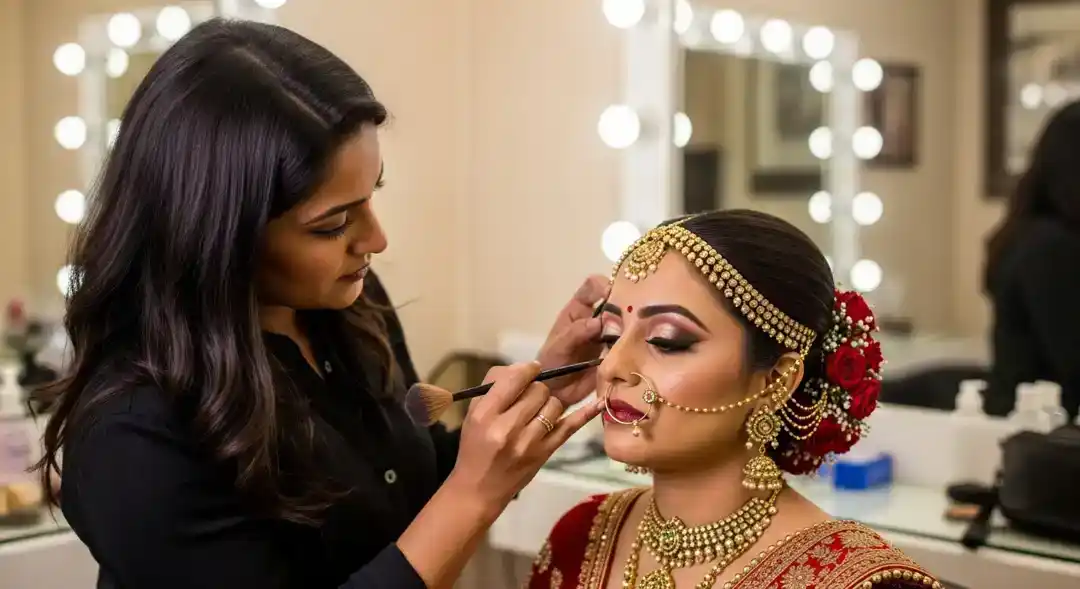
Bridal-Makeup Tips for a Flawless and Beautiful Wedding Look
Bridal-Makeup Tips for a Flawless and Beautiful Wedding Look
Every bride wants makeup that looks beautiful in person, photographs well, and lasts all day.
The key is planning, using the right products, and applying techniques that enhance natural features.
This guide explains how to prepare your skin, apply makeup that stays fresh for hours, and avoid common problems most brides face on the wedding day.
Prepare Your Skin for Makeup That Lasts
Beautiful bridal makeup begins with skin that is healthy, moisturized, and calm.
Wedding stress, late nights, and weather changes can affect how makeup sits on the skin. Preparing in advance helps create a smooth base.
Start with a simple skin routine at least 4–6 weeks before the wedding.
Cleanse, tone, and moisturize every day.
Use sunscreen in the morning to prevent tanning and uneven tones.
Including light exfoliation twice a week removes dead cells and helps foundation blend more smoothly.
Keep the skin hydrated with water and nutrient-rich foods such as fruits and vegetables.
One week before the big day, avoid trying new products.
Any reaction or breakout can make makeup application difficult.
Use gentle creams and serums that your skin already accepts.
If the wedding is in a humid climate, use lightweight gel moisturizers.
If in a dry climate, choose cream-based formulas for lasting comfort.
On the day of the wedding, cleanse gently and apply moisturizer.
Wait a few minutes so the skin absorbs it completely.
This prevents foundation from sitting on the surface and makes the finish more natural.
Good base preparation also means focusing on lips.
Apply lip balm regularly and exfoliate with gentle scrub so lipstick looks smooth and does not settle into lines.
Prepared skin responds better to makeup, prevents patchiness, and ensures every product blends in quickly for a naturally glowing result.
Choose a Bridal Makeup Style That Matches Your Personality
A bride should look like herself, only more polished and confident.
Choosing a makeup style that reflects personality is the most important decision.
Some brides love soft and natural looks with nude tones, peach blush, and subtle highlights.
Others want bold wedding glam with contoured cheekbones, dramatic eyes, and defined lips.
Both are perfect as long as they suit the bride’s features and comfort level.
Create the plan after finalizing your dress and jewelry.
A traditional red lehenga might pair well with richer shades, while a pastel outfit may look better with soft romantic tones.
For western gowns, neutral tones often photograph beautifully.
Do a trial makeup session at least 2–3 weeks before the wedding.
Try different foundations, lipstick shades, and eye looks.
Check how everything looks in natural light, indoor light, and flash photography.
This prevents surprises on the big day and builds confidence.
Share skin type details, routine, and concerns with the makeup artist.
This helps choose products that last through heat, sweat, and long ceremonies.
Avoid makeup trends that may not age well in photos.
A timeless makeup style ensures wedding pictures look beautiful even years later.
Lastly, pick a style that allows comfortable expression.
Smiling, crying, and laughing are part of the day.
If makeup feels heavy, it may look stiff.
Comfort makes confidence visible, and confidence is the most attractive bridal accessory.
Create a Perfect Base That Looks Great in Photos
The base is the most important part of bridal makeup because every photograph captures skin texture and finish.
The goal is smooth, even-toned, and natural-looking skin that holds up through hours of movement, lighting changes, and emotions.
Prep the skin with moisturizer, then apply primer.
Primer fills small pores, controls oil, and creates a smooth canvas.
Foundation glides more easily and lasts longer.
When choosing foundation, select a formula that matches both skin tone and undertone.
Test foundation on the jawline and check in daylight.
Avoid selecting too-light or too-dark tones because flash photos can exaggerate mismatched shades.
Build foundation gradually in thin layers instead of applying one heavy coat.
Thin layers look more natural and prevent cracking later.
Use a beauty sponge or foundation brush and press product into the skin instead of dragging it.
Concealer helps brighten the under-eye area, cover pigmentation, or reduce redness.
Apply sparingly and blend well.
Set the base with a fine setting powder.
This reduces shine and helps makeup stay in place.
For brides with dry skin, use powder only in the T-zone to avoid emphasizing dry patches.
Setting spray is a must because it seals the makeup.
Spray once midway through the process and again after completing the full look.
When the base is clean, smooth, and natural, every other product sits better and photographs beautifully.
Use a Primer That Controls Oil and Smoothens Skin
Primer is the first step in making wedding makeup last longer.
It forms a barrier between skin and foundation, reducing oil, evening texture, and keeping products in place.
Brides with oily skin should use mattifying primers that control shine through long ceremonies.
Dry skin brides can choose hydrating primers that keep the base fresh and prevent foundation from clinging to dry areas.
Apply primer only where needed usually forehead, nose, cheeks, and chin.
Let it sit for a minute before adding foundation so the formula settles properly.
This step improves longevity and creates a smoother finish in photos.
Pick the Right Foundation for Full-Day Wear
Foundation must match the bride’s skin tone, last through long hours, and look natural.
Select a long-wear, transfer-resistant formula that doesn’t oxidize after application.
Test the foundation under daylight and warm artificial lighting since weddings involve both situations.
Liquid foundations work well for most skin types because they blend easily.
Stick foundations offer strong coverage but can feel heavy if overused.
Always apply in thin layers, building coverage only where needed.
Set the foundation with powder or setting spray to lock everything in place.
This ensures smooth skin even during dancing, humidity, and emotional moments.
Eye Makeup That Highlights Your Natural Features
Bridal eye makeup should enhance natural eye shape while staying intact through tears, heat, and long celebrations.
Whether the look is soft or bold, eye products must be long-lasting and smudge-proof.
Start by applying an eye primer.
This prevents creasing, makes colors appear richer, and improves grip.
Choose eyeshadow colors that complement the outfit and skin tone.
Neutral browns, golds, pinks, and bronze suit most weddings and photograph beautifully.
Use transition shades to blend the crease and outer corners.
This softens lines and prevents harsh shapes in photos.
For evening functions, adding a deeper shade at the outer corner creates depth and drama.
Liquid or gel liner provides sharp definition while pencil liner gives softness.
False lashes can lift the eyes and look great in pictures.
If using mascara, always pick waterproof formulas because emotions often lead to tears.
Balance matters if eyes are dramatic, keep lips softer.
If lips are bold, go simpler on the eyes.
Complete the look with an inner corner highlight to brighten the face and make the eyes appear awake, even after long wedding rituals.
Lip Makeup for Long-Lasting Color
Lip makeup should stay fresh even after eating, smiling, and talking.
The key is layering products correctly and preparing the lips in advance.
Start by exfoliating lips with a gentle scrub and applying a hydrating balm.
Wait a few minutes and blot off excess moisture before applying lipstick.
Lip liner prevents color from bleeding and defines shape clearly.
Choose a shade close to the lipstick for a seamless look.
Fill the entire lip with liner for longer wear.
Liquid matte lipsticks last the longest but may feel dry.
If comfort matters, use creamy lipstick and set it by pressing tissue over the lips and dusting translucent powder through the tissue.
Tint-based formulas are another good option because even if the top layer fades, lips still retain color.
Carry your lipstick for touch-ups, especially before key photo moments such as entrance, rituals, and couple portraits.
Matching the lip shade to outfit tones helps complete the bridal theme.
Final Thoughts
Bridal makeup should make the bride feel confident, comfortable, and radiant.
With proper skin prep, the right products, and balanced application, makeup can last through hours of ceremonies, emotions, and celebrations.
Focus on enhancing natural features rather than masking them.
Choose tones that complement the outfit and personality.
Test products before the wedding so there are no surprises.
Keep a touch-up kit close and do quick refreshes throughout the day.
Small adjustments keep makeup camera-ready even as hours pass.
With thoughtful planning, every bride can enjoy flawless makeup that looks beautiful in person and photographs well, making memories that last forever.