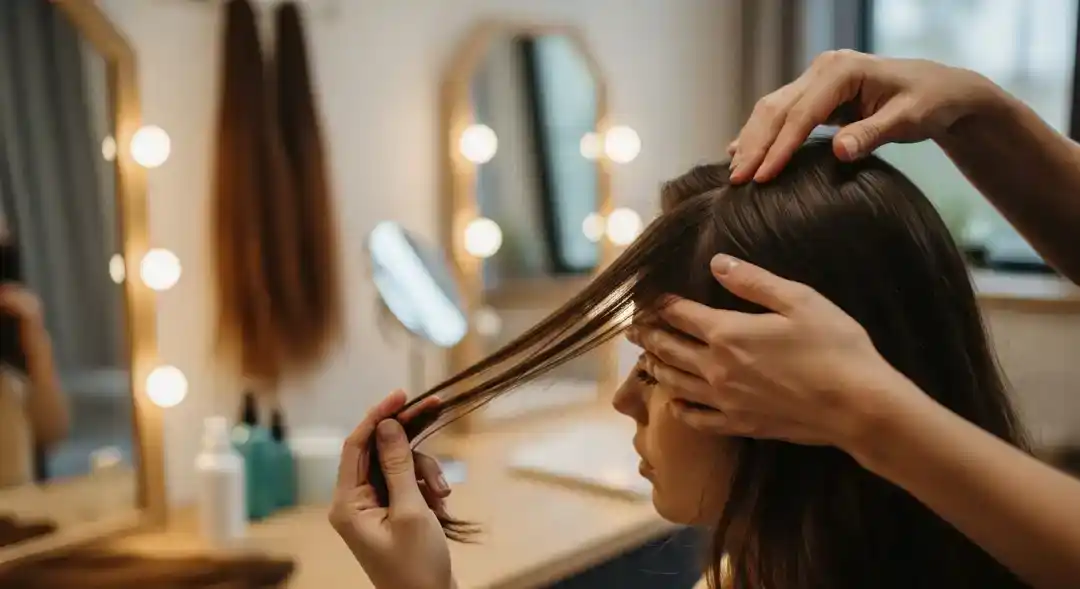
How to Stop Hair Fall Simple Tips You Can Start Using Today
How to Stop Hair Fall Simple Tips You Can Start Using Today
Understanding Common Causes of Hair Fall
Hair fall is common and can happen to anyone, but understanding the cause is the first step to improving hair health. Hair grows in cycles, and it is normal to lose 50–100 strands per day. When you notice more strands on your pillow, brush, or shower drain, it could be a sign that your hair growth cycle is being disrupted.
Several factors can influence how much hair you lose. Genetics play a major role. If hair thinning runs in your family, you may notice gradual reduction in volume over time. Hormonal changes can also affect hair. Pregnancy, menopause, thyroid imbalances, or changes in birth control may shift your hair cycle.
Lifestyle habits matter as well. Stress can push hair into the shedding phase. Poor sleep, skipping meals, or following restrictive diets can limit essential nutrients that hair needs to grow. Hair treatments like straightening, coloring, and heat styling can weaken strands, making them more likely to break.
Environmental factors can also contribute. Hard water, harsh shampoos, and exposure to pollution can dry the scalp and cause irritation. When the scalp is not healthy, hair cannot anchor firmly.
Understanding your specific trigger helps you choose the right approach. A supportive routine, balanced nutrition, and gentle care can often reduce daily hair fall. In some cases, medical conditions may be involved, and recognizing this early is helpful. Small, consistent changes often lead to noticeable improvements over time.
Genetic Factors
Genetic hair loss usually appears gradually. You may notice your hairline moving back or the part on your scalp appearing wider. This type of hair loss happens when hair follicles shrink over time, producing thinner strands. While you cannot change genetics, you can slow the process through care and support. Using gentle shampoos, reducing heat styling, and maintaining good scalp health can help keep existing hair stronger for longer. Treatments like minoxidil may be an option if recommended by a healthcare professional. Early action often makes the biggest difference, so pay attention to changes and adjust your routine when needed.
Lifestyle and Stress
Stress affects many systems in the body, including hair growth. When stress levels rise, more hairs shift into the shedding phase. This type of hair fall may appear a few months after the stressful event. Regular exercise, consistent sleep, hydration, and calm breathing techniques can help maintain balance. If your schedule is busy, even short breaks can support wellness. Reducing heat tools, coloring, and tight hairstyles also prevents unnecessary strain. Gentle routines encourage hair to stay anchored longer, improving overall hair fullness.
Simple Daily Habits to Reduce Hair Fall
Daily habits have a direct effect on hair strength. Gentle handling reduces breakage and protects the hair shaft. Start by choosing a mild shampoo suited to your scalp type. Oily scalps may benefit from more frequent washing, while dry scalps may require less frequent washing and moisturizing conditioners. Avoid scrubbing aggressively. Use fingertips rather than nails.
Heat styling weakens hair over time. Try to limit curling irons, straighteners, and blow-dryers. If you use them, apply a heat protectant and choose the lowest effective setting. Tight hairstyles such as high ponytails or braids pull on the roots. Wearing hair loosely reduces stress on follicles.
Overbrushing can lead to breakage. Instead, brush gently just enough to remove tangles and distribute natural scalp oils. Silk pillowcases can reduce friction while sleeping.
Consistency is key. Even small improvements in your routine can significantly reduce hair fall when practiced daily. Focus on kindness to your scalp and strands.
Gentle Washing and Drying
Wet hair is weaker and more likely to break. After washing, avoid rubbing with a towel. Instead, press gently to remove excess water. Let hair air dry when possible. If you use a blow-dryer, choose a cool or medium setting and hold it at a distance. Use conditioner to keep the hair cuticle smooth. This helps prevent tangles and breakage.
Choosing the Right Comb and Brushing Technique
Wide-tooth combs are gentle and help reduce pulling. Start detangling from the ends and move upward slowly. Avoid brushing hair when it is fully wet. Use slow, steady strokes, not quick forceful brushing. This protects strands and reduces shedding.
Nutrition for Stronger Hair
Hair growth depends on nutrient supply. Even mild deficiencies can affect hair thickness and strength. Protein is essential because hair is mainly made of keratin, a type of protein. Include foods such as eggs, beans, tofu, lentils, and lean meats.
Hydration is also important. Dehydrated hair becomes brittle and prone to breakage. Aim to drink enough water throughout the day.
Balanced meals support consistent hair growth. Sudden dieting or skipping meals may slow growth temporarily. Choose whole foods whenever possible to keep hair nourished from within.
Essential Vitamins and Minerals
Key nutrients for hair include biotin, iron, zinc, vitamin D, and omega-3s. Eggs, spinach, pumpkin seeds, almonds, and salmon are good sources. If you suspect deficiency, consider speaking with a healthcare provider before taking supplements.
Hydration and Protein Intake
Protein keeps hair strong, while water maintains flexibility. Aim to include protein in each meal. Drink water regularly throughout the day. Even slight dehydration makes hair appear dry and lifeless.
When to See a Healthcare Professional
If hair fall is sudden, patchy, or accompanied by itching or redness, it may signal an underlying medical condition. Thyroid disorders, anemia, or hormonal shifts can affect hair. A healthcare professional can perform tests to identify the cause. Treatment is most effective when matched to the specific reason for hair loss.
Conclusion
Small daily changes make a big difference. Be gentle with your hair, nourish your body, and give your scalp the care it needs. Over time, these habits support stronger, healthier hair.