Keratin Treatment Side Effects Risks Safety Tips & What to Know Before You Get It
Keratin Treatment Side Effects Risks Safety Tips & What to Know Before You Get It
Keratin treatments promise smooth, shiny, frizz-free hair that lasts for months.
However, not all treatments are created equal and not every scalp or hair type reacts the same way.
Before booking your session, it’s important to understand how keratin works, its side effects, potential risks, and the right steps to keep your hair healthy post-treatment.
Let’s break down everything you should know to make an informed decision.
What Is a Keratin Treatment?
Keratin treatments use a chemical formula infused with keratin a natural protein found in hair to repair damage and create a smooth, sleek finish.
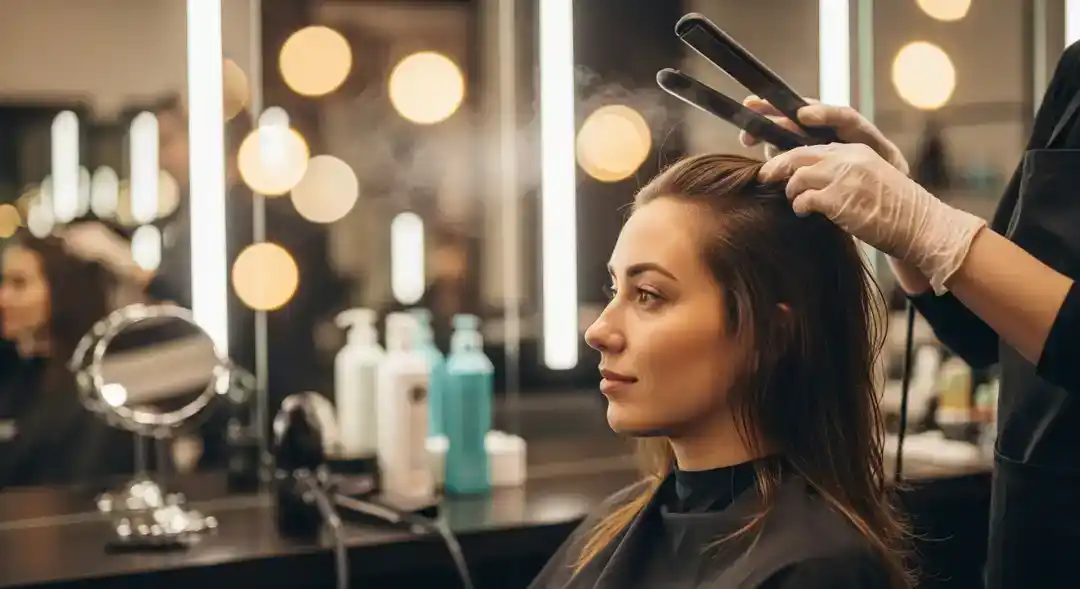
During the process, the stylist applies the solution, then seals it using a flat iron to lock the protein into the hair cuticle.
This treatment can reduce frizz, add shine, and make hair easier to manage for up to 3–5 months.
However, many formulas contain formaldehyde or similar chemicals that can pose health risks if inhaled or improperly used.
Why Keratin Treatments Became Popular
Keratin treatments gained popularity because they offer long-lasting smoothness without daily heat styling.
They save time, control frizz in humid weather, and give hair a glossy, polished look that many people love.
However, convenience should never outweigh safety choosing the right formula and salon is essential.
Common Side Effects of Keratin Treatment
While results can look stunning, keratin treatments may cause temporary or lasting side effects, especially when chemical exposure is high or aftercare is ignored.
Some common side effects include:
- Scalp irritation or burning sensation
- Watery eyes and respiratory discomfort during application
- Hair dryness or breakage over time
- Weakened or thinning hair after repeated treatments
Short-Term vs Long-Term Side Effects
Short-term effects often include scalp itching or mild hair shedding.
Long-term effects may occur from repeated chemical exposure, such as dryness, brittleness, or color fading.
To minimize these, always use sulfate-free shampoos and avoid heat styling too often after treatment.
Potential Risks and Health Concerns
The biggest concern in keratin treatments is formaldehyde a chemical sometimes released during heat sealing.
Inhaling it can irritate the eyes, nose, and throat and cause headaches or allergic reactions.
How Formaldehyde Impacts Health
Prolonged or repeated exposure to formaldehyde fumes may cause respiratory issues and has been linked to more serious health risks in poorly ventilated spaces.
For this reason, many salons now offer “formaldehyde-free” or “low-formaldehyde” formulas, though some still release small amounts during heating.
Safety Tips Before and After Your Treatment
Precautions to Reduce Risk
- Choose a salon that uses well-ventilated areas.
- Ask for certified formaldehyde-free products.
- Avoid keratin treatments if you’re pregnant or have sensitive skin or asthma.
- Do a patch test to check for allergic reactions.
Recommended Aftercare Products
- Use sulfate- and paraben-free shampoos.
- Avoid washing your hair for at least 72 hours after treatment.
- Limit heat exposure to preserve shine.
- Apply nourishing masks or oils weekly to keep moisture balanced.
How to Choose a Safe and Professional Salon
Look for a licensed stylist with proven experience in keratin treatments.
Check reviews, hygiene practices, and ventilation in the salon area.
Always ask about the product ingredients and confirm whether it’s truly formaldehyde-free.
Avoid at-home keratin kits improper use can lead to scalp burns, uneven results, and serious damage.
Alternatives and Natural Options
If you’re wary of chemicals, opt for natural smoothing options like:
- Deep conditioning masks with argan or coconut oil
- Hair botox (formaldehyde-free)
- Regular protein and moisture treatments
These methods don’t last as long but are much gentler on the scalp and strands.
They’re ideal for people with sensitive skin or chemically treated hair.
Key Takeaways Before Getting a Keratin Treatment
- Always verify product safety and salon ventilation.
- Understand the difference between short-term shine and long-term health.
- Follow aftercare strictly to prevent dryness and breakage.
- Space treatments 6–8 months apart to protect hair strength.
When done safely, keratin treatments can transform your hair beautifully but being informed is the best way to ensure it stays healthy, smooth, and strong.