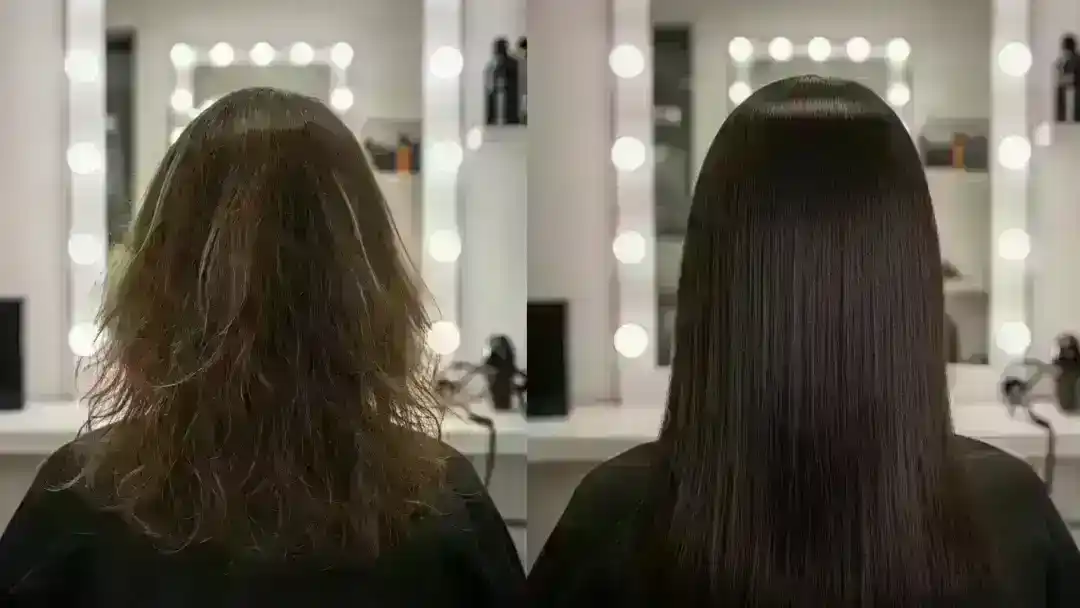
Expert Hair Treatments to Repair and Revive Damaged Hair
Expert Hair Treatments to Repair and Revive Damaged Hair
Damaged hair needs targeted care to recover strength, moisture, and shine. The right treatments help rebuild internal bonds, smooth the cuticle,
and prevent further breakage. This guide covers effective salon options, at-home solutions, and daily habits that support long-term hair health.
What Causes Hair Damage and Why Treatment Matters
Hair damage occurs when the outer cuticle becomes weak or lifted. This leaves the inner layers exposed, causing dryness, breakage, and loss of elasticity.
Common causes include heat styling, colouring, bleaching, friction, sun exposure, and chemical treatments. Once the cuticle weakens, hair loses moisture faster,
leading to brittle strands. Treatment matters because damaged hair cannot repair itself. Unlike skin, hair has no natural healing process.
However, treatments can reinforce structure, rebuild bonds, and restore hydration. Moisture-based treatments help with flexibility.
Protein-based treatments strengthen internal fibers. Bond-building formulas reconnect broken links inside the cortex.
Ignoring damage leads to more split ends, rough texture, and thinning. Addressing it early helps preserve length and reduce hair fall.
Consistent care improves softness, reduces frizz, and makes hair easier to style. Choosing the right treatment depends on the damage type.
Chemical damage often needs bond repair. Heat damage requires hydration and protein balance. Environmental damage improves with regular moisture masks.
Understanding your hair’s needs ensures better results. Using targeted treatments weekly or bi-weekly keeps hair healthier over time.
Salon options provide intense repair, while home treatments maintain results. Balanced care helps revive the hair’s natural shine and strength.
Common Signs Your Hair Needs Repair
Signs of damage often appear gradually. Common indicators include rough texture, frizz, and frequent tangling. Hair may feel dry even after conditioning.
Split ends become more visible, especially on longer strands. Breakage occurs more easily when brushing or styling. Colour-treated hair may fade faster.
Heat-damaged hair loses elasticity and snaps when stretched. A dull, lifeless appearance suggests moisture loss.
If your hair absorbs water quickly but dries slowly, porosity issues may be present. These signs signal the need for targeted repair.
Early treatment prevents further weakening and helps restore softness.
Recognizing symptoms allows you to select the right combination of salon and home care.
Best Salon Hair Treatments for Deep Repair
Salon treatments deliver concentrated formulas designed to penetrate deeper than regular conditioners. Professionals assess your hair and select the right
blend of moisture, protein, and bond repair. These treatments are ideal for colour-treated, bleached, heat-damaged, or extremely dry hair.
One of the most effective options is bond-building therapy. These products reconnect broken internal links and improve strength from within.
They are especially useful after bleaching or chemical straightening. Moisture-based salon masks hydrate the hair and smooth the cuticle.
These help reduce frizz and increase shine. Professional products often contain ingredients like hyaluronic acid, ceramides, and amino acids that improve softness.
Protein treatments target weak, stretchy hair. They fill gaps in the hair structure and enhance resistance to breakage. Balanced use is important to avoid stiffness.
Steam treatments boost absorption by opening the cuticle. This increases the effectiveness of masks and oils. The added heat helps lock moisture into the hair shaft.
Salon services provide long-lasting results when supported with at-home care. They are especially helpful for severe damage where regular conditioners no longer help.
Keratin Treatment for Smoother, Stronger Hair
Keratin treatments coat the hair with a protective protein layer. This smooths the cuticle, reduces frizz, and improves shine. The treatment also strengthens weak strands
and reduces humidity-related swelling. It works by filling gaps in the hair shaft. Heat seals the keratin, creating a sleek finish.
Results last several weeks with the right shampoo and conditioner. This treatment suits frizzy, puffy, or rough-textured hair.
It reduces styling time and makes hair more manageable. However, it is not meant to straighten but enhance smoothness and strength.
Hair Botox for Intensive Moisture
Hair Botox focuses on hydration rather than straightening. It contains vitamins, amino acids, and nourishing oils that deeply moisturise the hair.
The formula softens rough strands and boosts shine. Unlike keratin, it does not change hair structure. Instead, it improves elasticity and reduces dryness.
This makes it ideal for dehydrated or brittle hair. Results include smoother texture and improved manageability.
Regular treatments help maintain moisture balance and reduce breakage.
Effective At-Home Treatments for Damaged Hair
Home treatments maintain results between salon visits. They provide hydration, nourishment, and protection. Weekly masks, oils, and leave-in conditioners help reduce dryness and frizz.
Deep conditioning masks add moisture and improve softness. Choose formulas with shea butter, aloe vera, hyaluronic acid, or ceramides.
Apply them once or twice a week based on dryness. Protein masks strengthen weak strands. Use them cautiously to avoid stiffness.
Light protein formulas with amino acids work well for regular maintenance. Oils help lock moisture in. They create a protective coating around the hair shaft.
Warm application boosts absorption. Leave-in conditioners provide short-term softness and detangling. They are useful for daily protection against heat and friction.
Regular home care builds resilience over time. Combining moisture, protein, and bond repair keeps hair balanced. The more consistent the routine, the healthier your hair becomes.
Deep Conditioning Masks for Weekly Repair
Deep conditioning masks hydrate the hair and improve elasticity. They smooth the cuticle and reduce dryness.
Ingredients like shea butter, aloe vera, and ceramides provide long-lasting moisture. Apply to clean, damp hair.
Leave for 10–20 minutes for maximum benefit. Heat or steam enhances absorption. Weekly use helps maintain softness and manageability.
These masks are essential for dry, frizzy, or textured hair. They also protect colour by preventing moisture loss.
Oils That Boost Strength and Shine
Hair oils add nourishment and seal moisture. Coconut, argan, jojoba, and olive oil are common choices.
Each offers different benefits depending on hair type. Coconut oil penetrates deeper and reduces protein loss.
Argan oil smooths frizz and adds shine. Jojoba oil balances the scalp. Olive oil improves softness and slip.
Apply a small amount to lengths and ends. Use weekly before washing or as a finishing product.
Oils enhance flexibility and reduce breakage.
Daily Habits That Prevent Further Damage
Preventing damage is as important as repairing it. Daily habits influence moisture levels, breakage, and overall hair health. Start with gentle brushing.
Use wide-tooth combs or soft-bristle brushes. Avoid brushing wet hair unless using a detangling product. Reduce heat when possible.
Air-dry partially before styling. Limit high heat settings to protect the cuticle. Use a heat protectant before any hot tool.
This creates a barrier against moisture loss and heat exposure. Consistent use reduces breakage.
Wash hair with sulfate-free shampoos to avoid dryness. Condition every time you wash. Cold rinses help seal the cuticle.
Sleep on a satin pillowcase to reduce friction. Tie hair loosely to prevent pulling. Light leave-ins help maintain hydration through the day.
Small habits create long-term improvement. Consistency keeps hair stronger and reduces the risk of new damage.
Heat Protection
Heat protectant is essential before blow-drying, straightening, or curling. It reduces moisture loss and shields the cuticle.
A good protectant forms a thin barrier that absorbs some heat impact. Apply to damp or dry hair, depending on instructions.
Cover all sections evenly. Lower heat settings when possible for added safety.
Using heat protectant consistently prevents long-term weakening. It reduces frizz, dryness, and split ends.
This simple step makes a noticeable difference in overall health.
Proper Washing and Conditioning Routine
A balanced wash routine protects hair from dryness. Use sulfate-free shampoos that clean without stripping oils.
Massage the scalp gently to stimulate circulation. Apply conditioner from mid-length to ends.
Leave it for a few minutes to soften the hair. Cold rinses help smooth the cuticle. Avoid washing daily unless needed.
This preserves natural oils and improves hydration. Regular conditioning keeps hair manageable and reduces tangles.